Sovereign AI and energy infrastructure for Europe.
- AI Infrastructure
- Energy Infrastructure
- Acquisitions & Partnerships
Blankenburg · Sachsen-Anhalt · Germany
- 50 MW IT
- Phase 1 design basis
- GI · BauNVO §9
- Site
- Development
- Status
Developed by 12 Elements Ltd · London, United Kingdom
Engineering is older than industry.
Every technological revolution ends up physical. Five centuries ago engineering joined water, power, mechanics and structure into working systems. AI is doing the same thing, at a different scale.
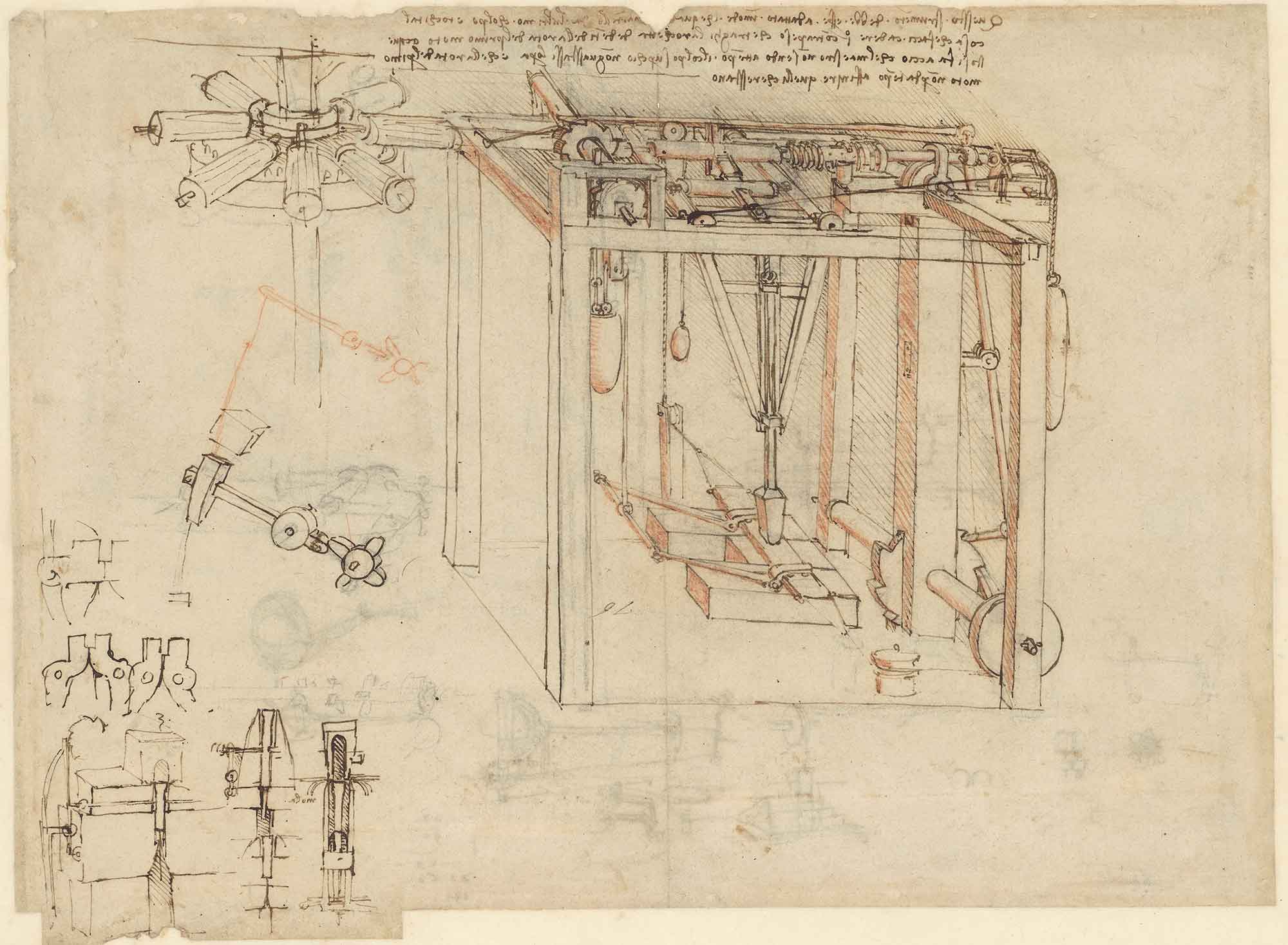
Studies of machines, gearing and structural framing.
Leonardo da Vinci · Codex Atlanticus, f. 29 recto · c. 1500 · Biblioteca Ambrosiana, Milan · public domain
The same move, five centuries apart
- MINE WATER
- HEAT EXCHANGER
- CDU
- GPU
- DISTRICT HEAT
The AI infrastructure stack
AI is visible at the top. The constraints sit underneath.
Proof
Jurisdiction · Black Vault Blankenburg GmbH · registered German project company.
- ·GI industrial zoning · BauNVO §9
- ·Designed toward KRITIS and NIS2, a pathway, not a certificate
- ·German building, German and EU law, auditable to the room
Applications
assistants, agents, products
Not built here. The layer everyone already sees.
Models
training and inference
Not built here. This is our tenants' business.
Compute
accelerators and their environment
We build the environment. We do not own the chips.
Signal
fibre, routing, exchange
Frankfurt connectivity · multi-route by design · route in development.
- · Multi-route by design · diverse entry to the campus
- · Carrier procurement · IN PROCESS
- · Meet-me room planned · cross-connect model to be specified
Thermal
cooling, heat rejection, recovery
Source water at 10–12 °C, coupled to closed campus and rack loops · OFFICIAL DATA.
- · Mine water 10–12 °C · 8,182 m³/day · OFFICIAL DATA
- · Source circuit open · all water returned · designed to avoid potable water
- · Heat export potential up to 35 MWth · DESIGN BASIS
Energy
generation, storage, grid
110 kV / 60 MW grid application filed 03/2026.
- · Quedlinburg: 1 MW connected today · 2 MVA transformer · EXISTING
- · 2.33 MWh storage at 1.05 MW · 450 kW photovoltaics · EXISTING
- · Own substation and CHP on site · DESIGN BASIS
Physical base
land, geology, structure
GI-zoned industrial land on Harz bedrock.
- · GI industrial zoning · BauNVO §9, the federal land-use ordinance · EXISTING
- · Harz basement rock · 400 million years
- · 232–254 m above sea level · MEASURED
Jurisdiction
law, ownership, control
Black Vault Blankenburg GmbH · registered German project company.
- · GI industrial zoning · BauNVO §9
- · Designed toward KRITIS and NIS2, a pathway, not a certificate
- · German building, German and EU law, auditable to the room
visible · abundant ↓ scarce · slowest to build
Black Vault the five layers below compute
Water through silicon
 Concept
We engineer the layers AI runs on.
The deepest layer is the legal one.
Everything except the accelerators.
Land. Energy. Heat. Network. The computing environment. Security. Jurisdiction. Control.
Not the model. Not the application. The infrastructure underneath them.
Compute
accelerators, owned by the tenant
Network · control
routing, monitoring, access rings
Data hall
white space, containment, fire compartments
Thermal
closed loop, heat exchange, district offtake
Utilities
110 kV supply, storage, distribution
Bedrock
Harz basement rock, 400 million years
One system. Multiple scales.
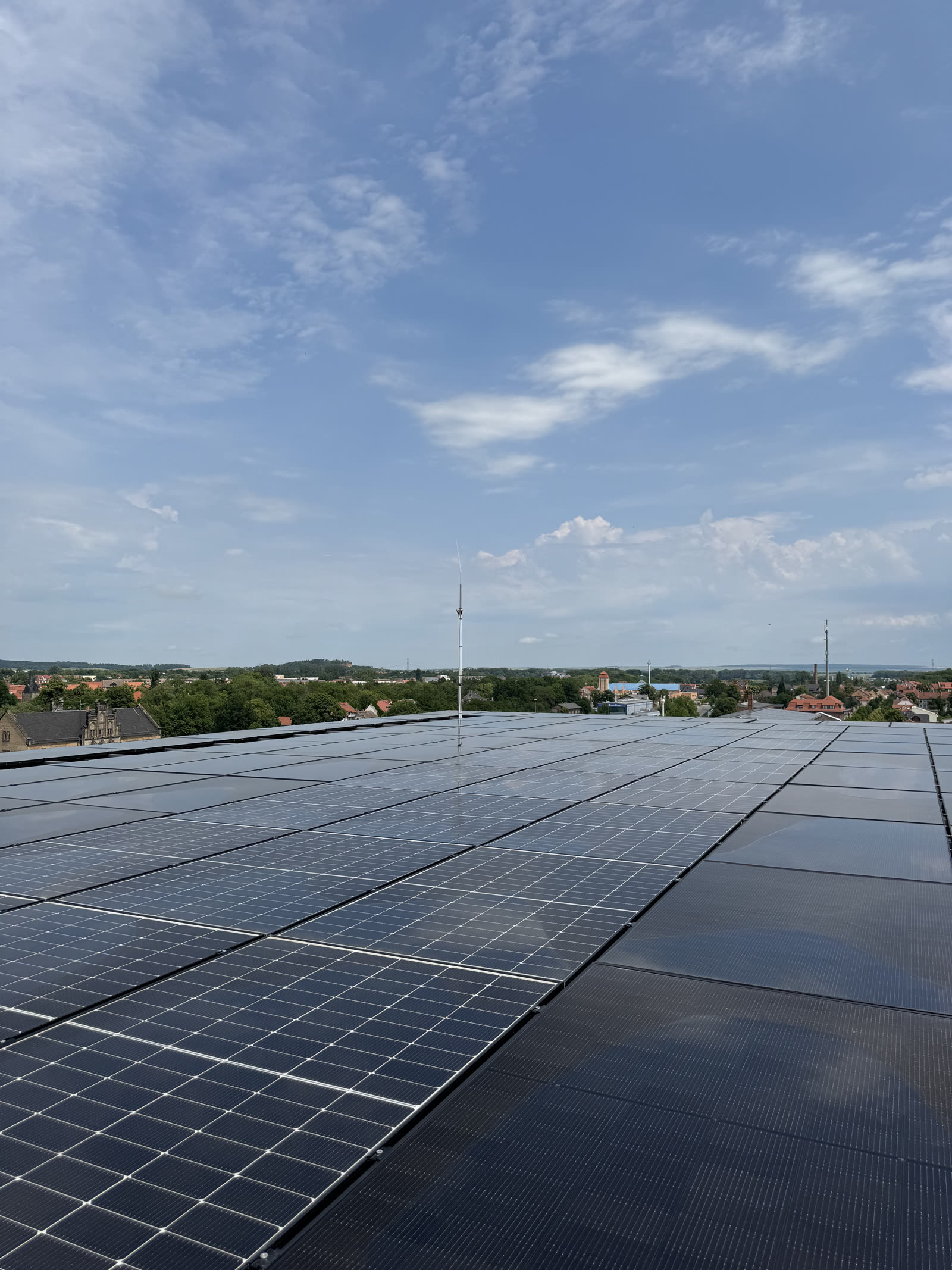
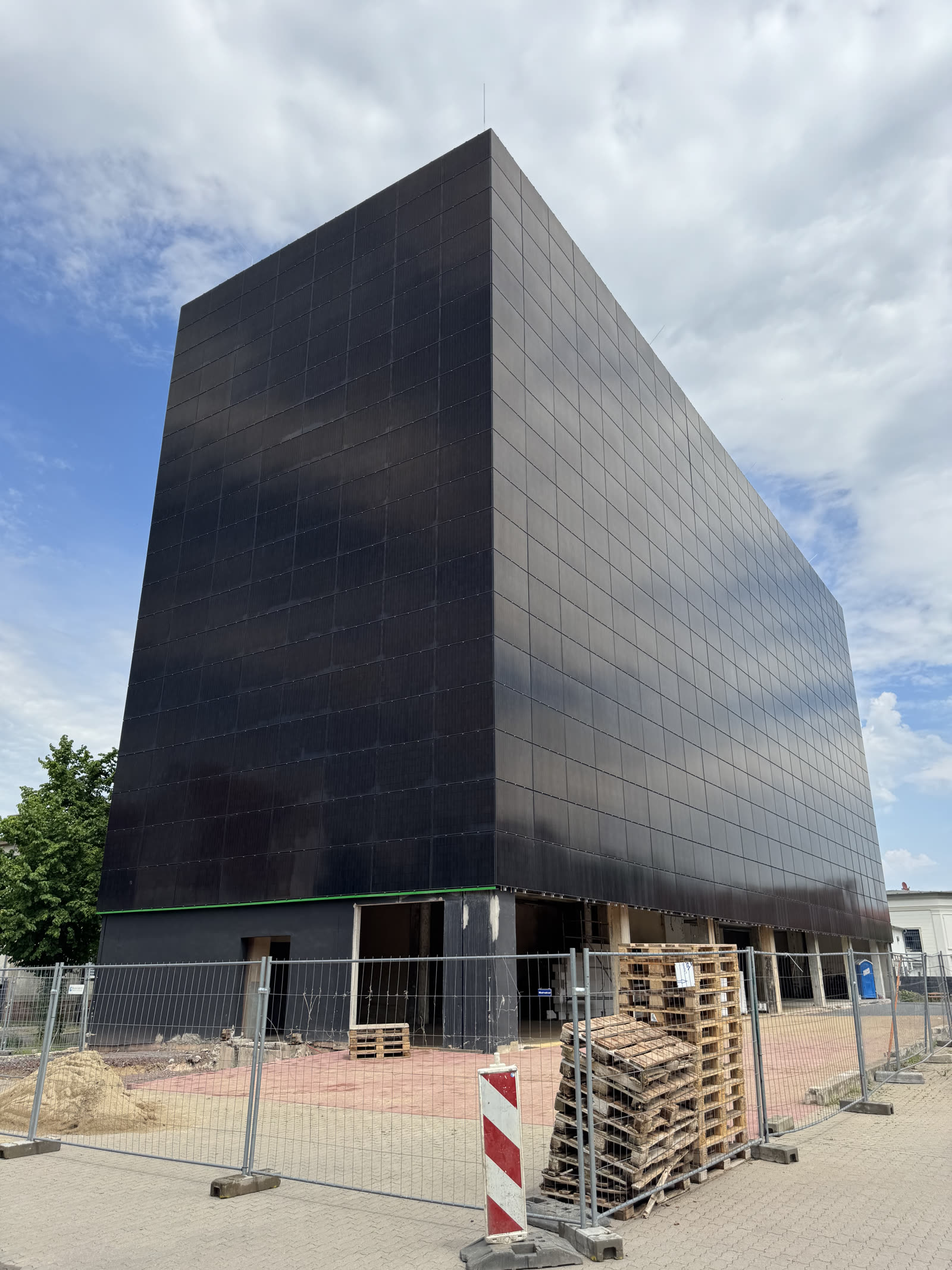
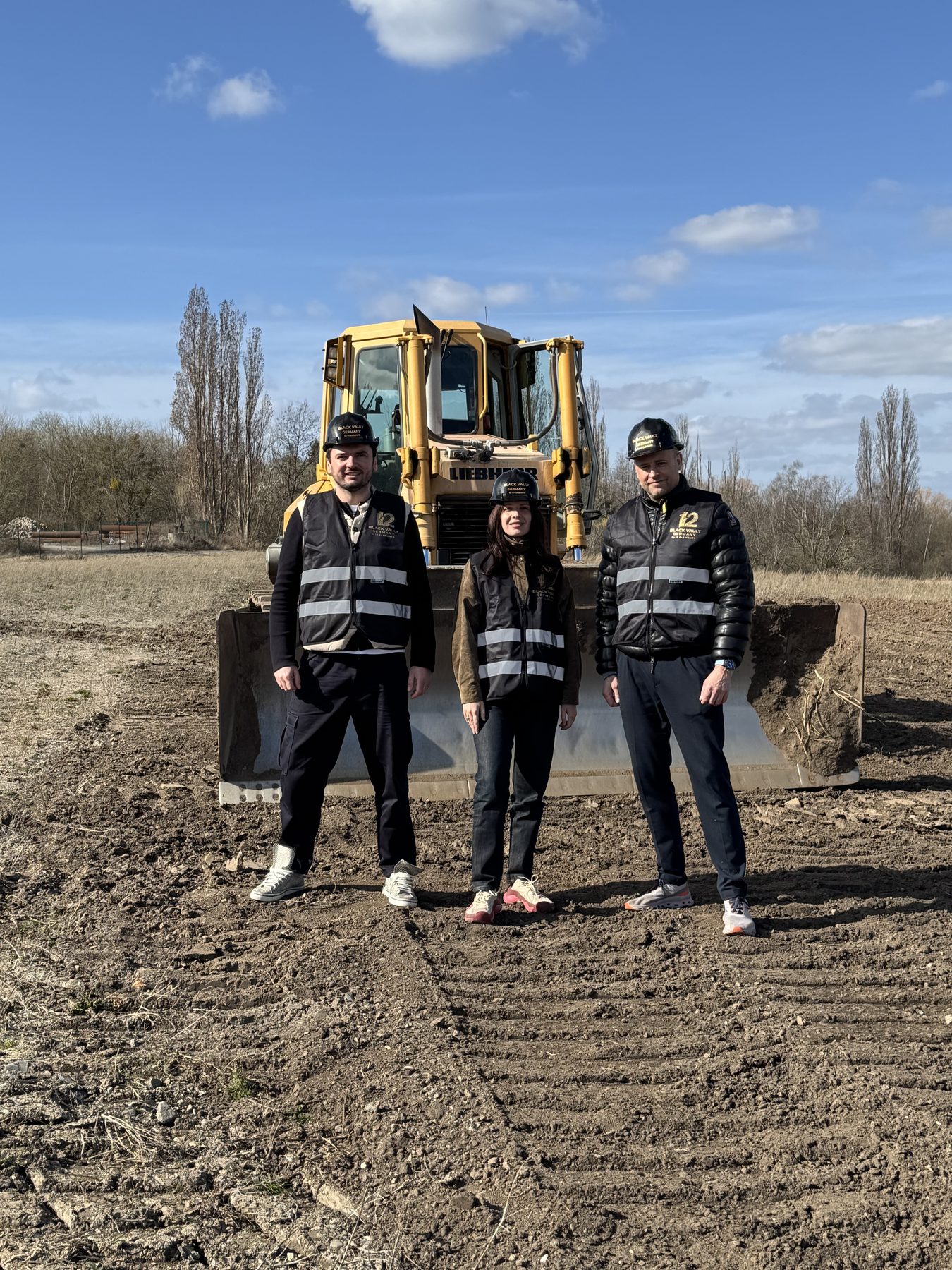
Three formats of one engineering system. Not a ladder: none of them is a step toward another, and each is deployed on its own merits.
What exists. What is being done now.
Every status carries a date. Every plan is separated from every fact.
Stand: 08/2026
A GmbH is a corporate fact, not a land fact. A municipal letter of intent is coordination, not a permit, and a photograph taken in a town hall is neither. Accuracy lives in exactly these distinctions.

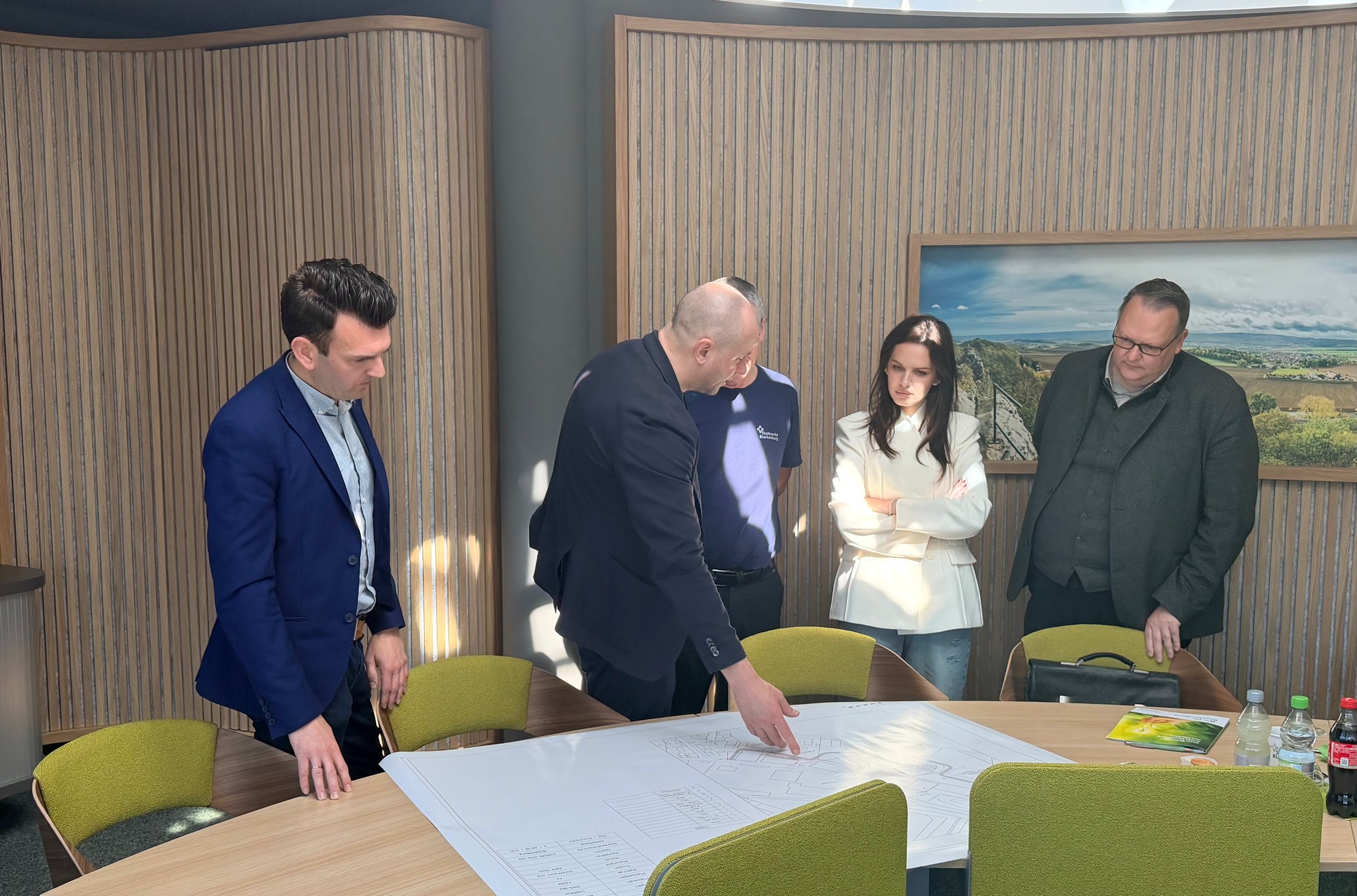
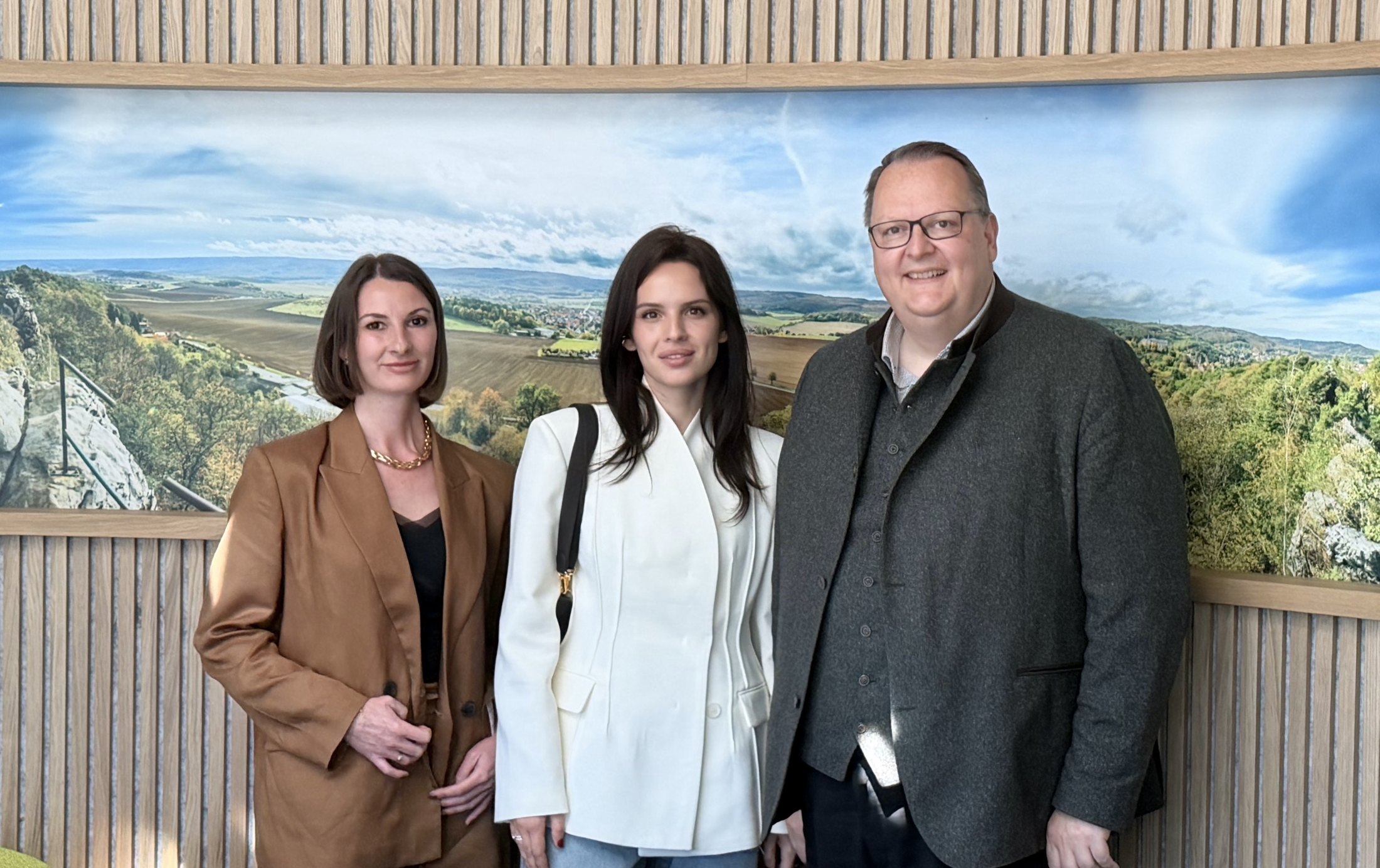
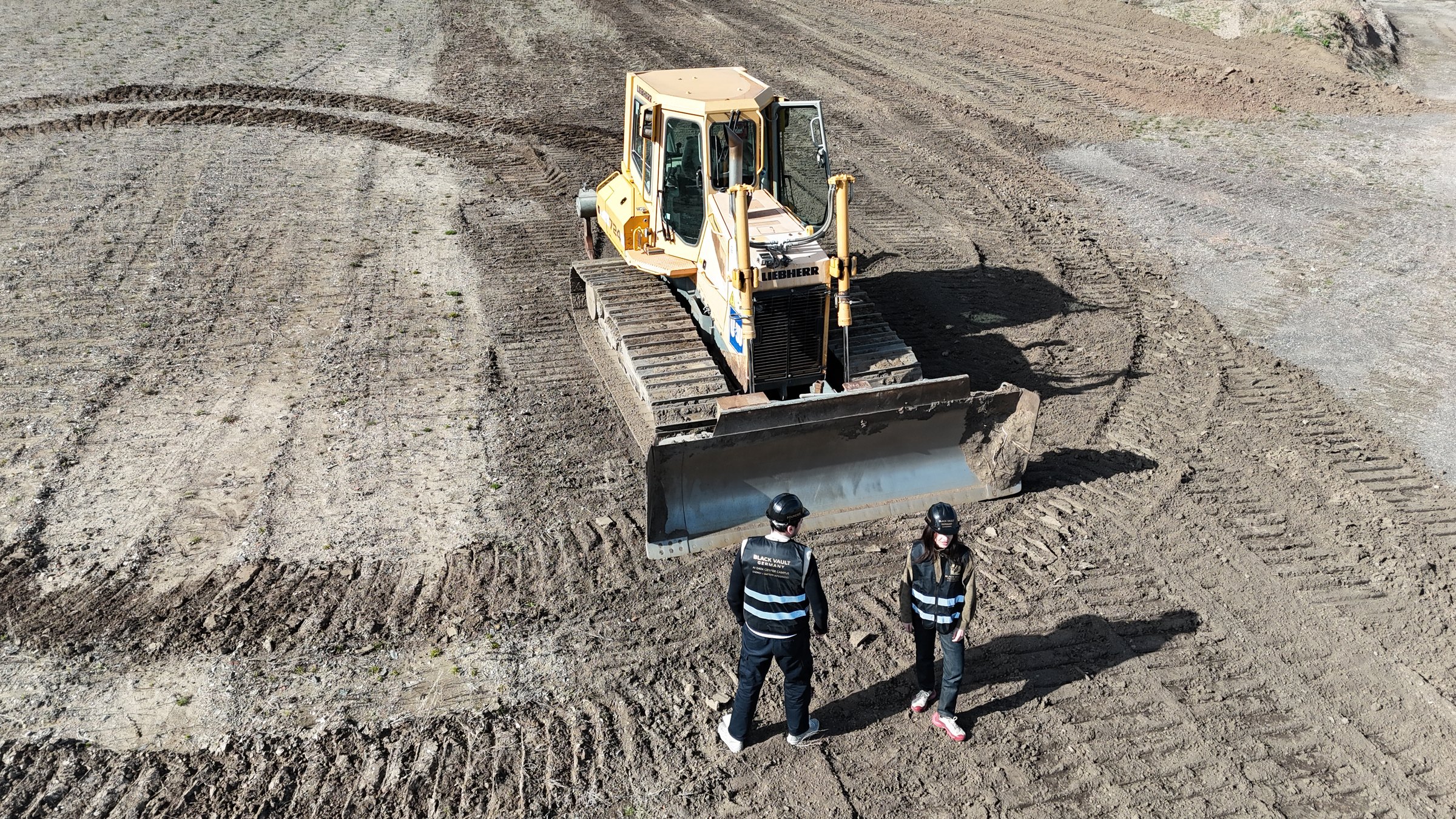
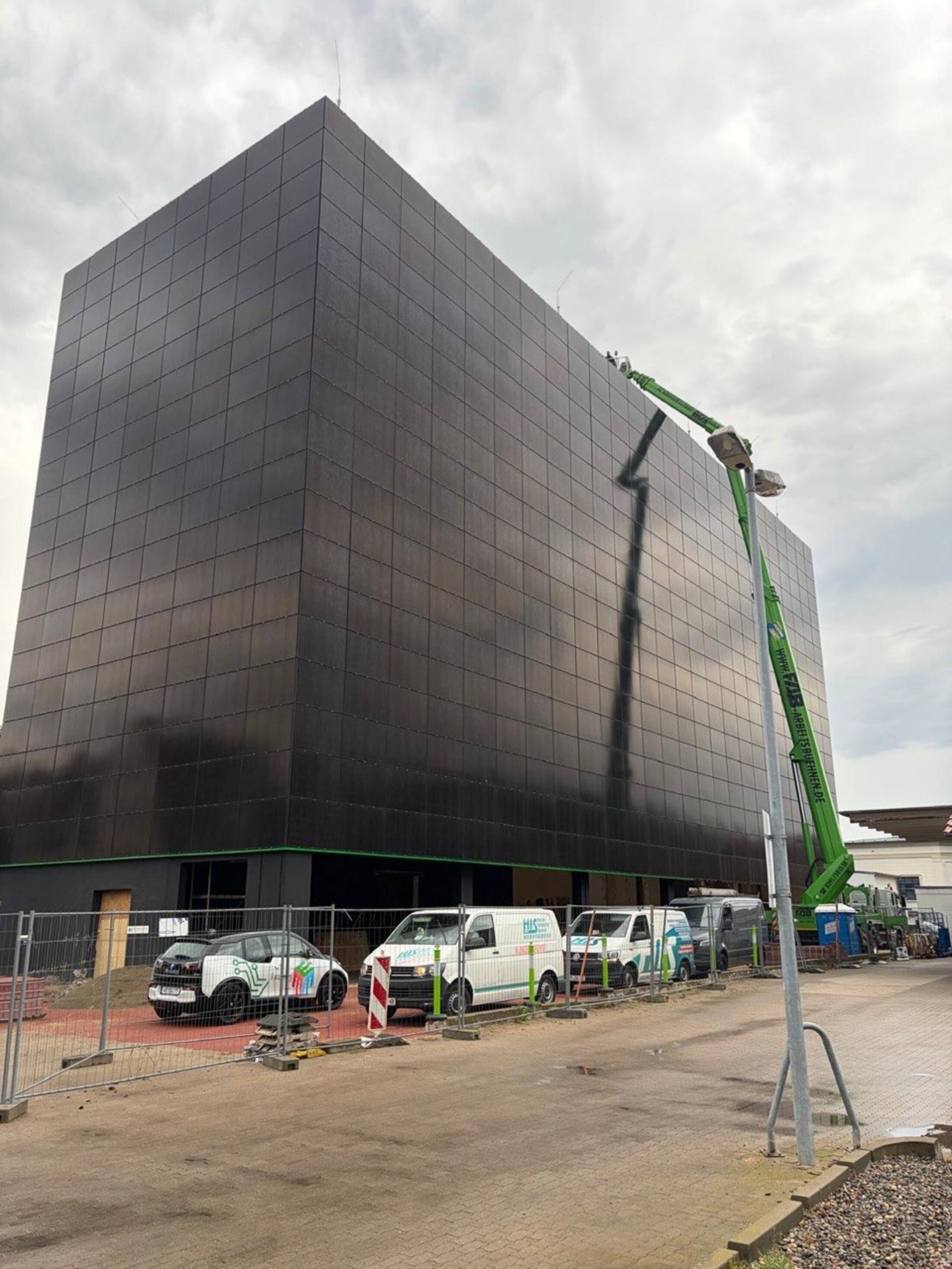
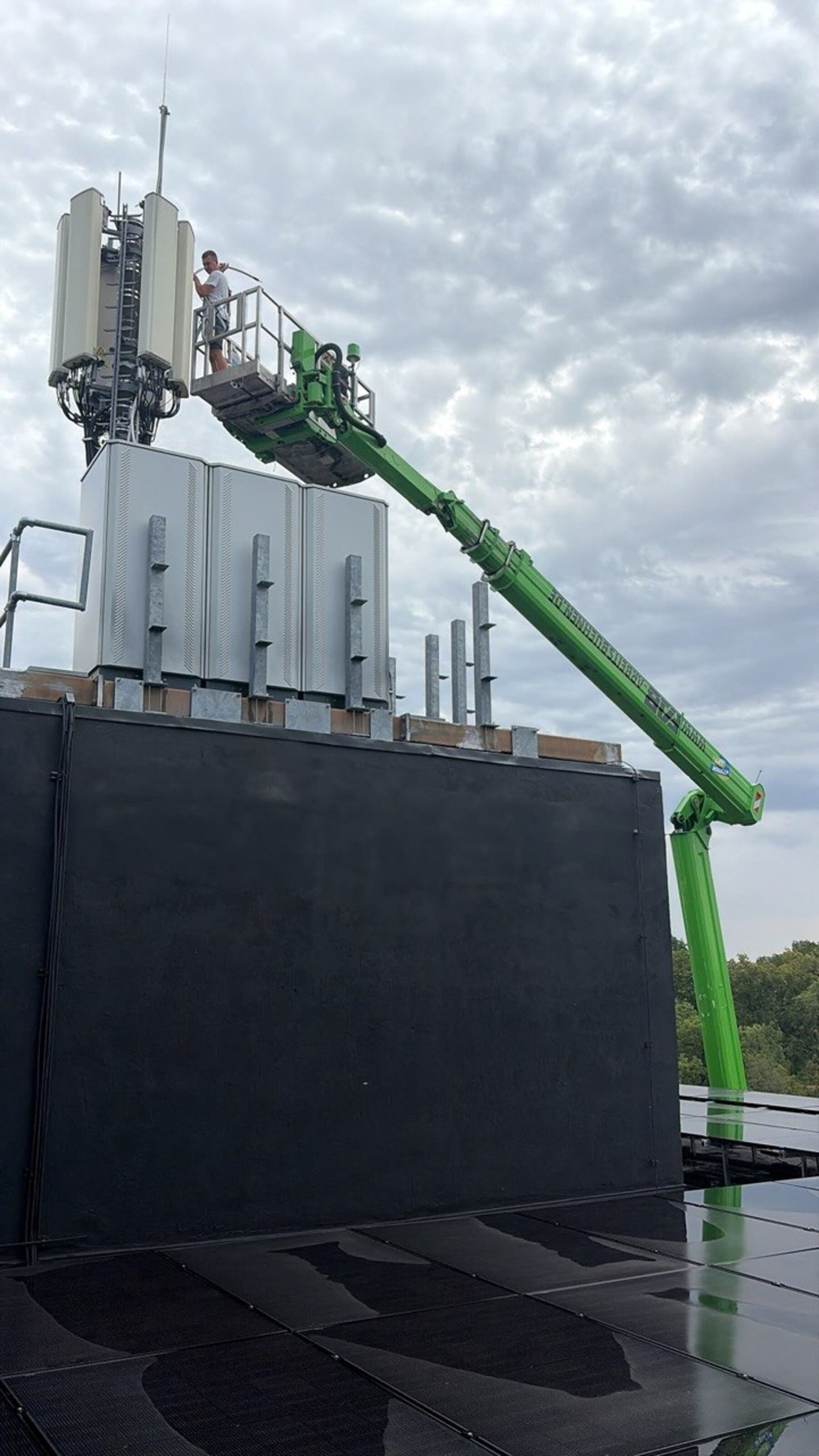
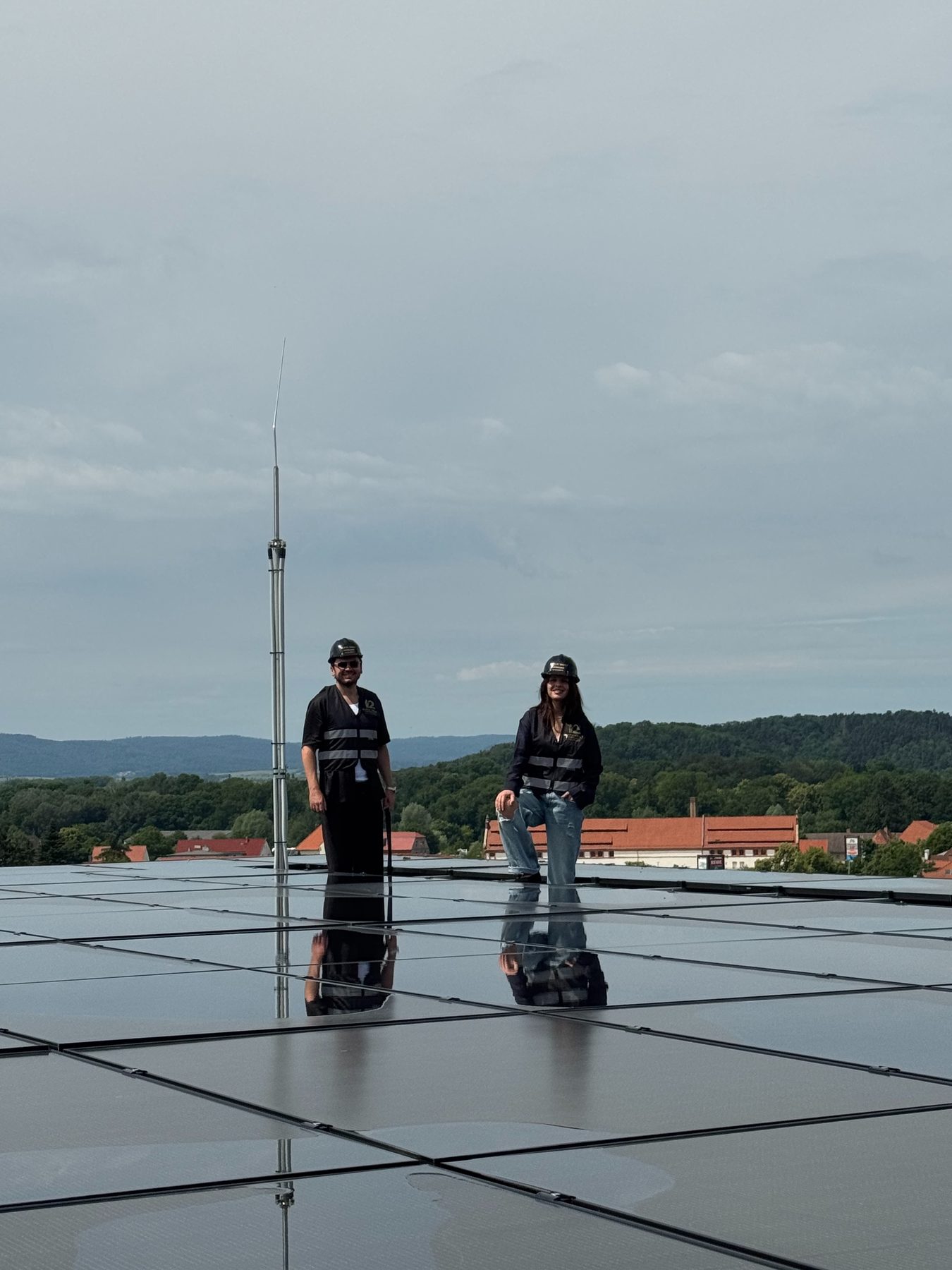
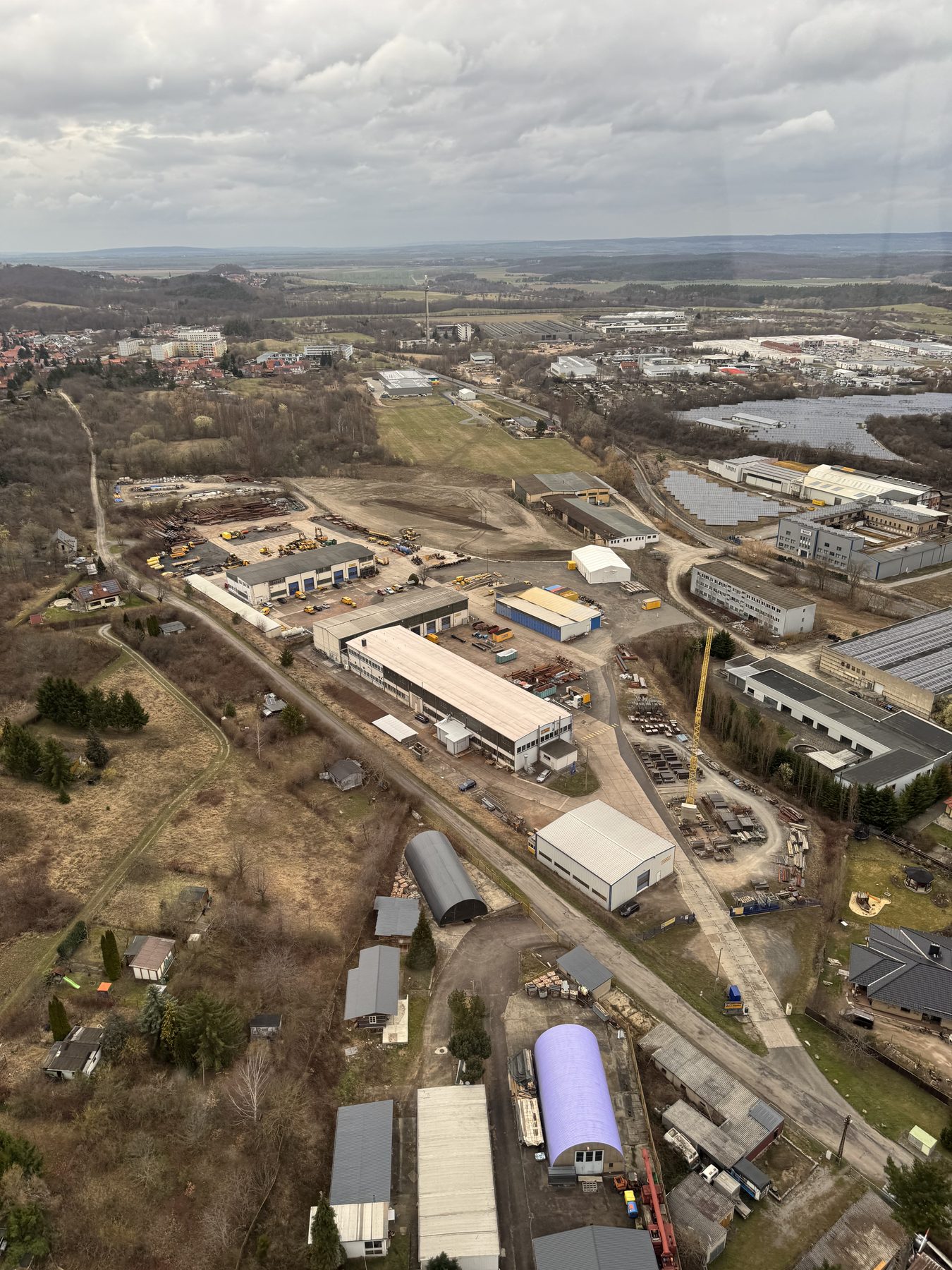
Quedlinburg · energy and compute node
An existing energy asset. The AI layer is in development.
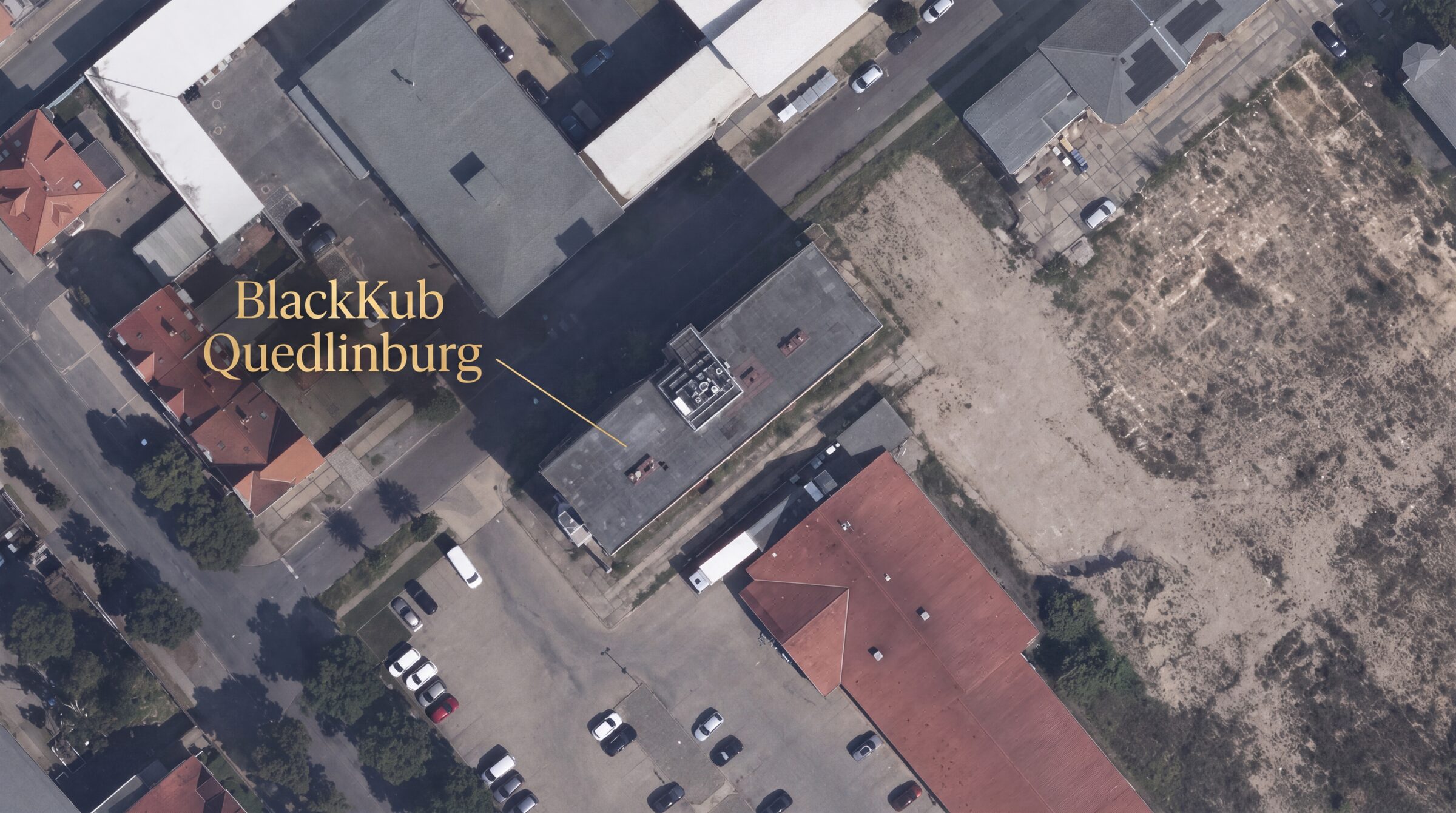
Aerial · Quedlinburg · photograph
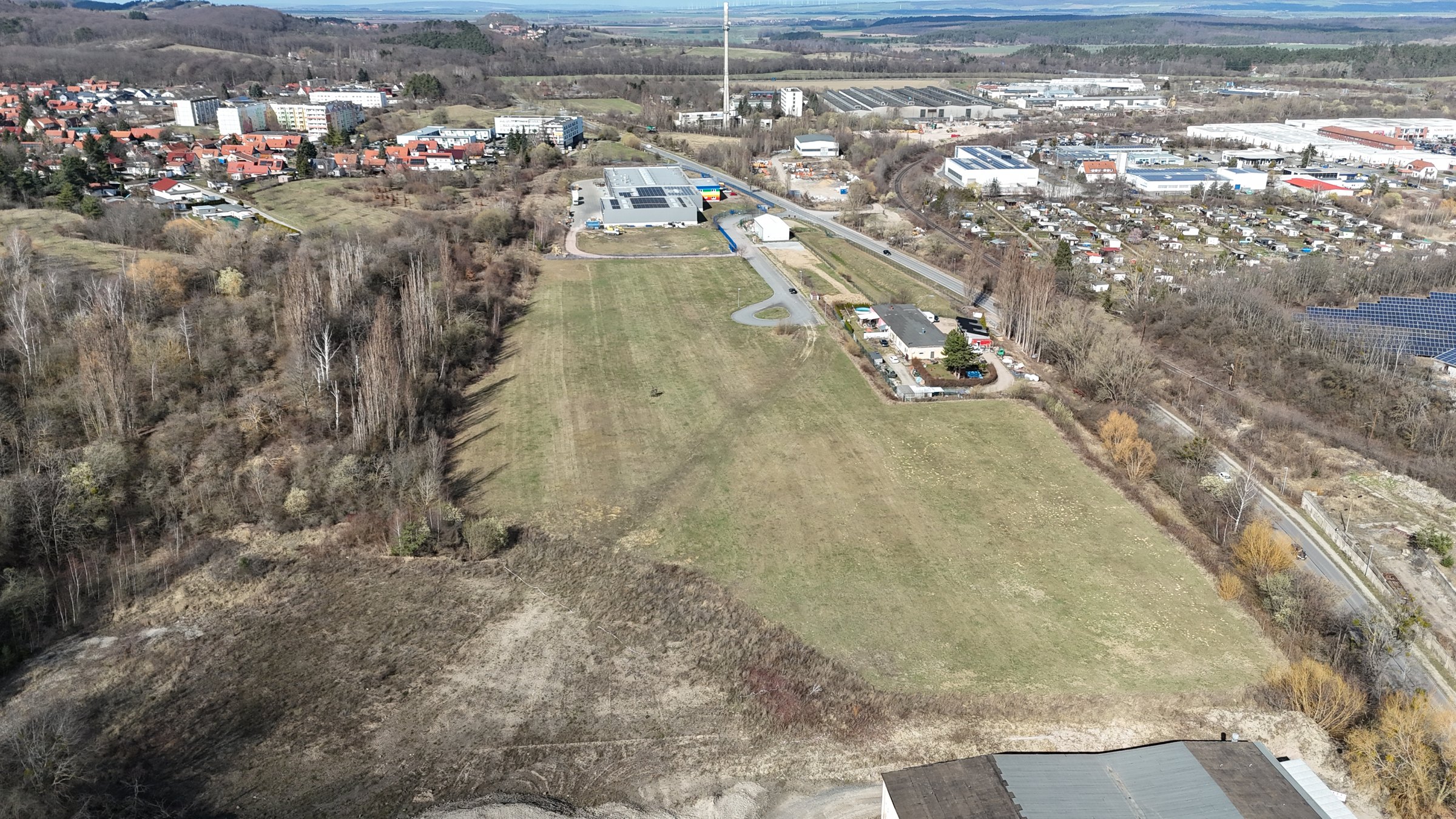
Blankenburg · flagship campus
in progressDevelopment
Core systems
- 01EnergyGrid, generation, storage and photovoltaics.
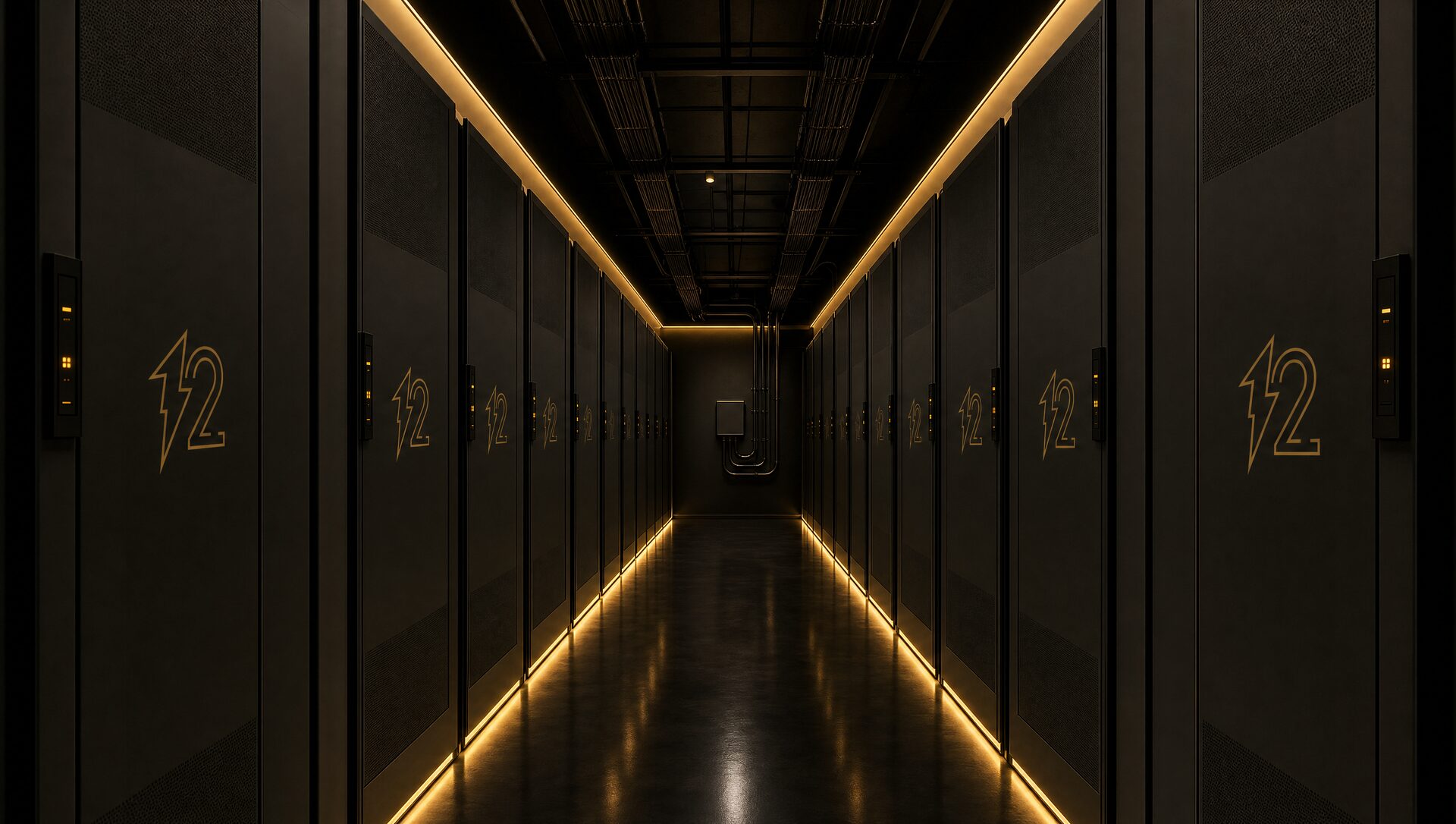 CONCEPT
 - 02ComputePower, liquid and density for accelerators.
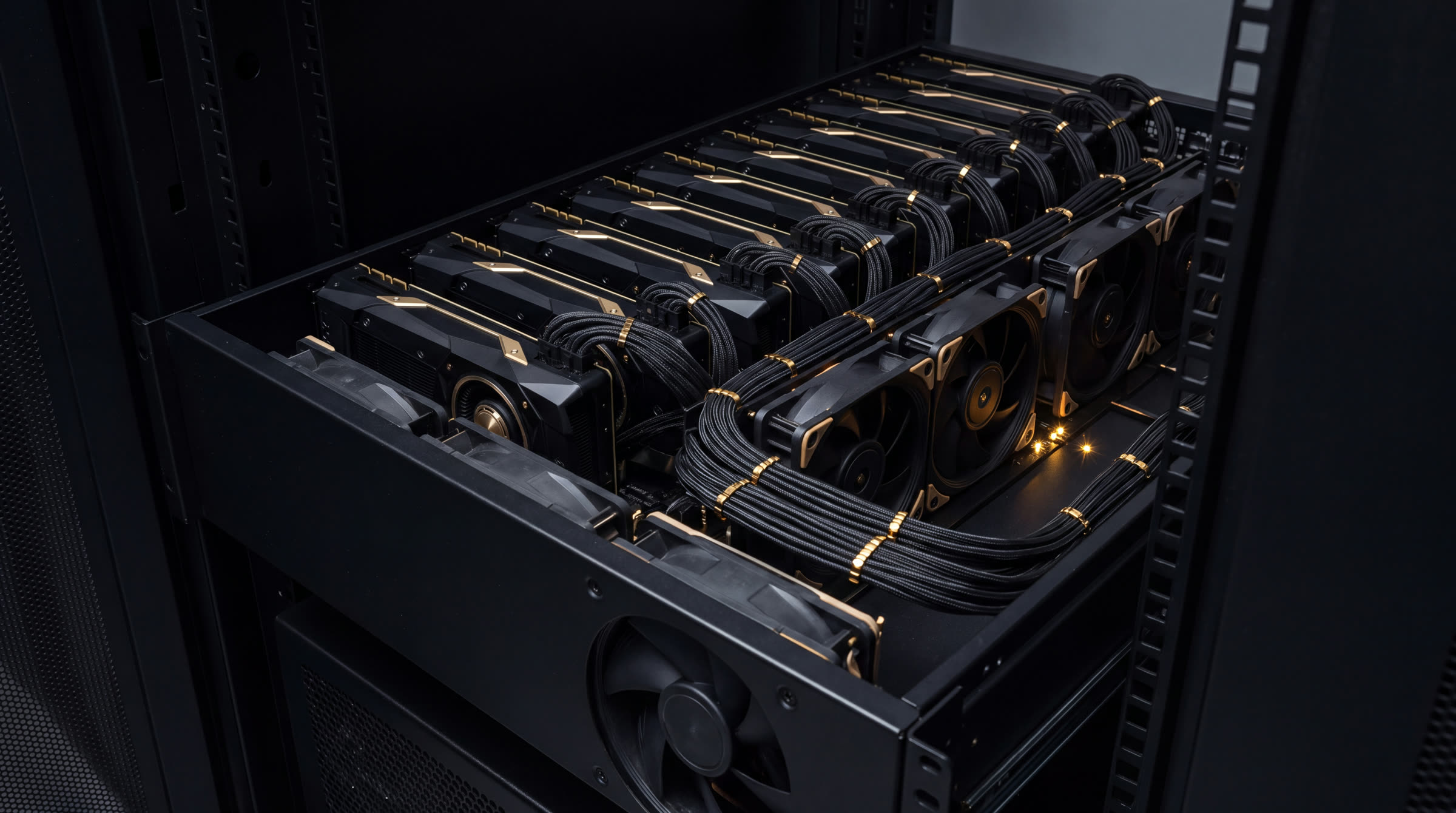 CONCEPT
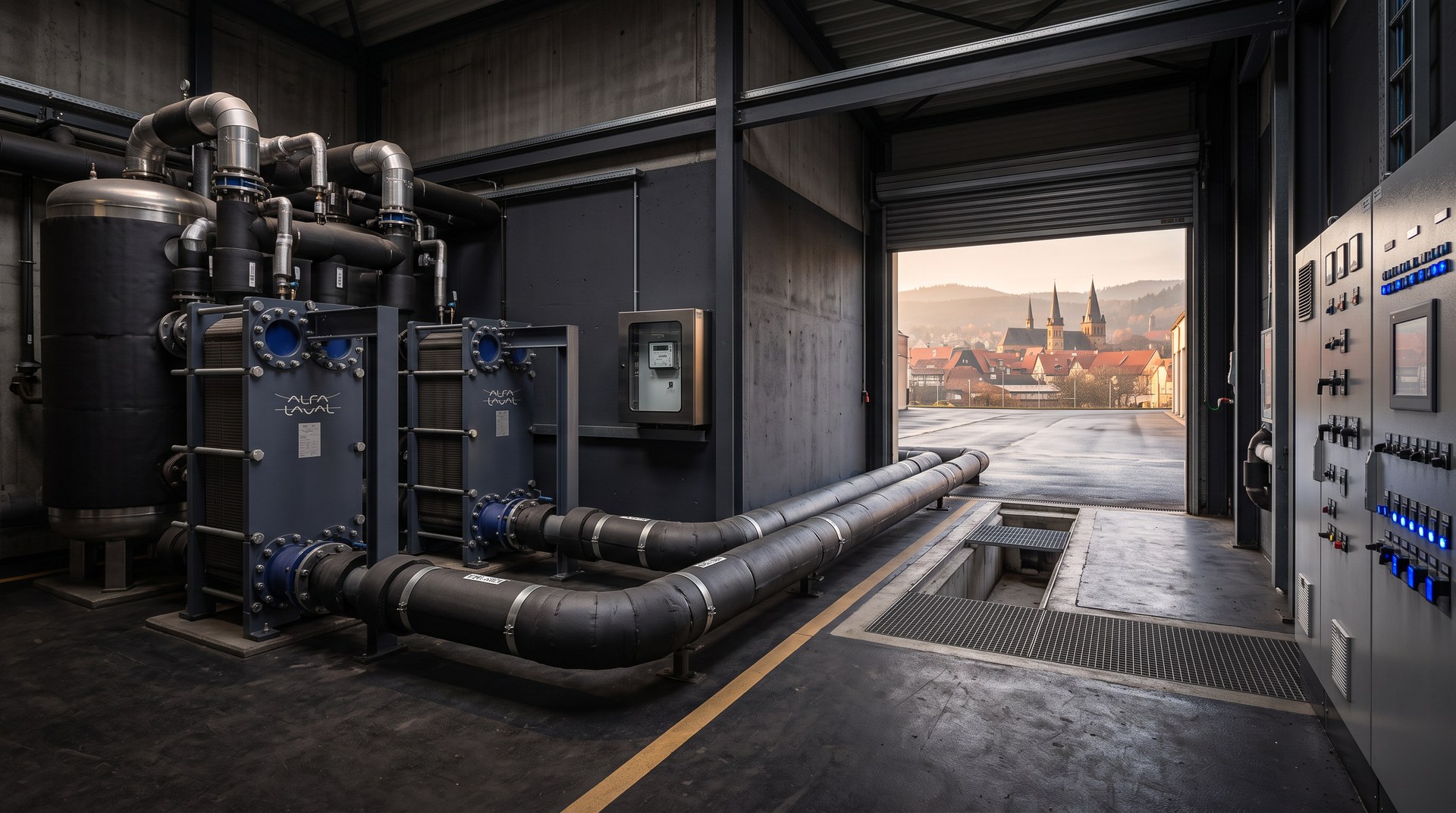
 - 03CoolingMine water at 10–12 °C, coupled to a closed campus loop.
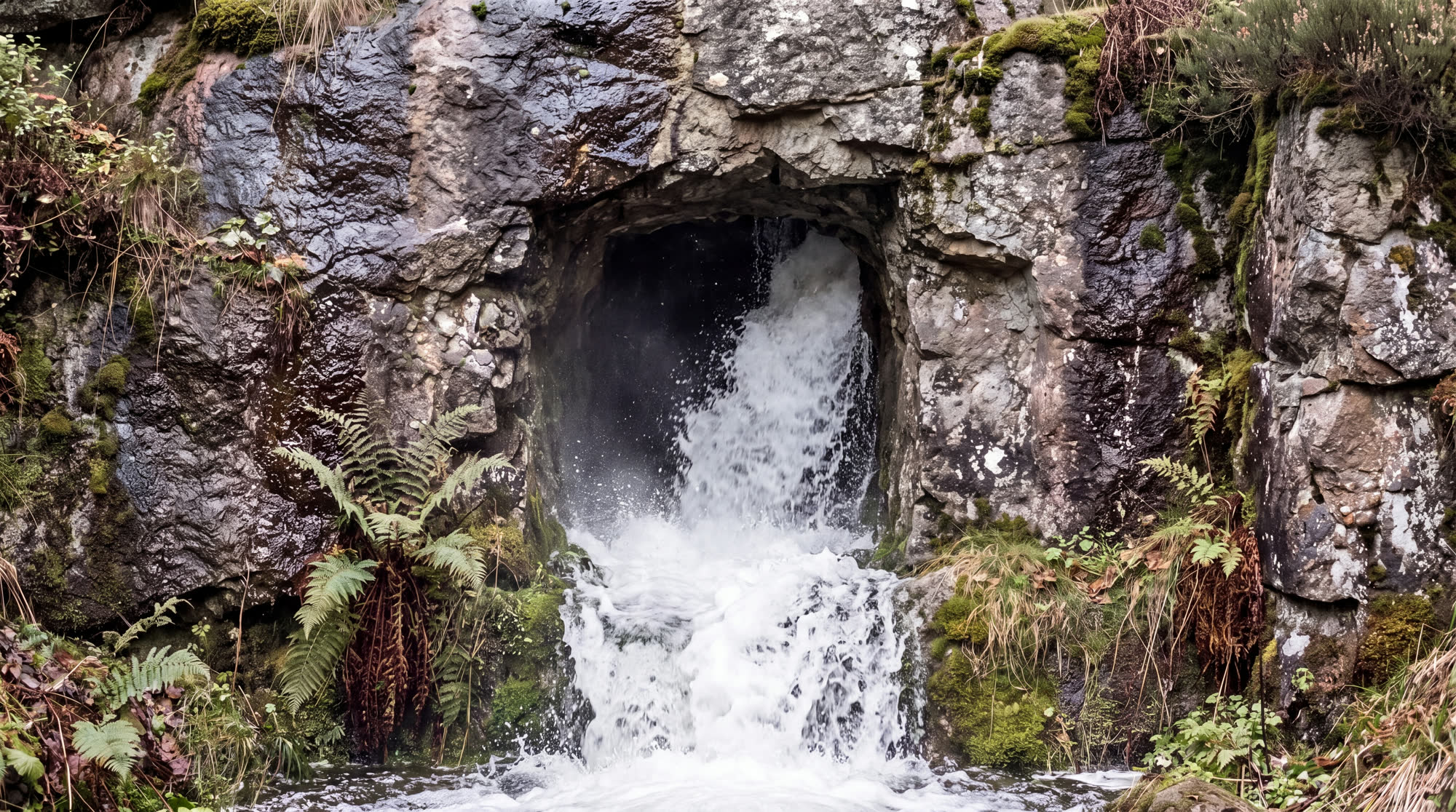 CONCEPT
 - 04HeatHeat export potential up to 35 MWth at the transfer point (DESIGN BASIS).
 CONCEPT
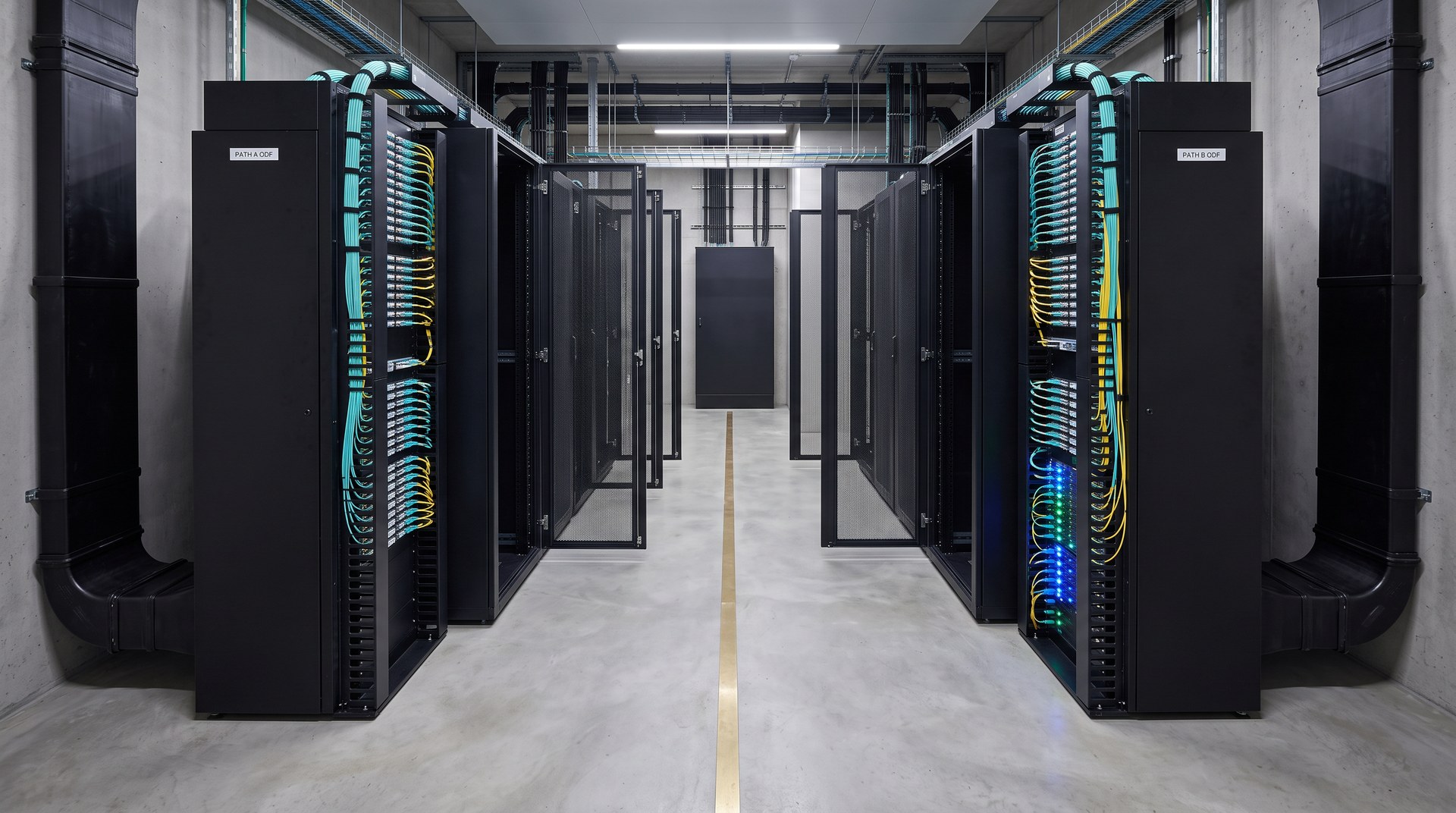
 - 05ConnectivityFrankfurt connectivity · multi-route by design · route in development.
 CONCEPT
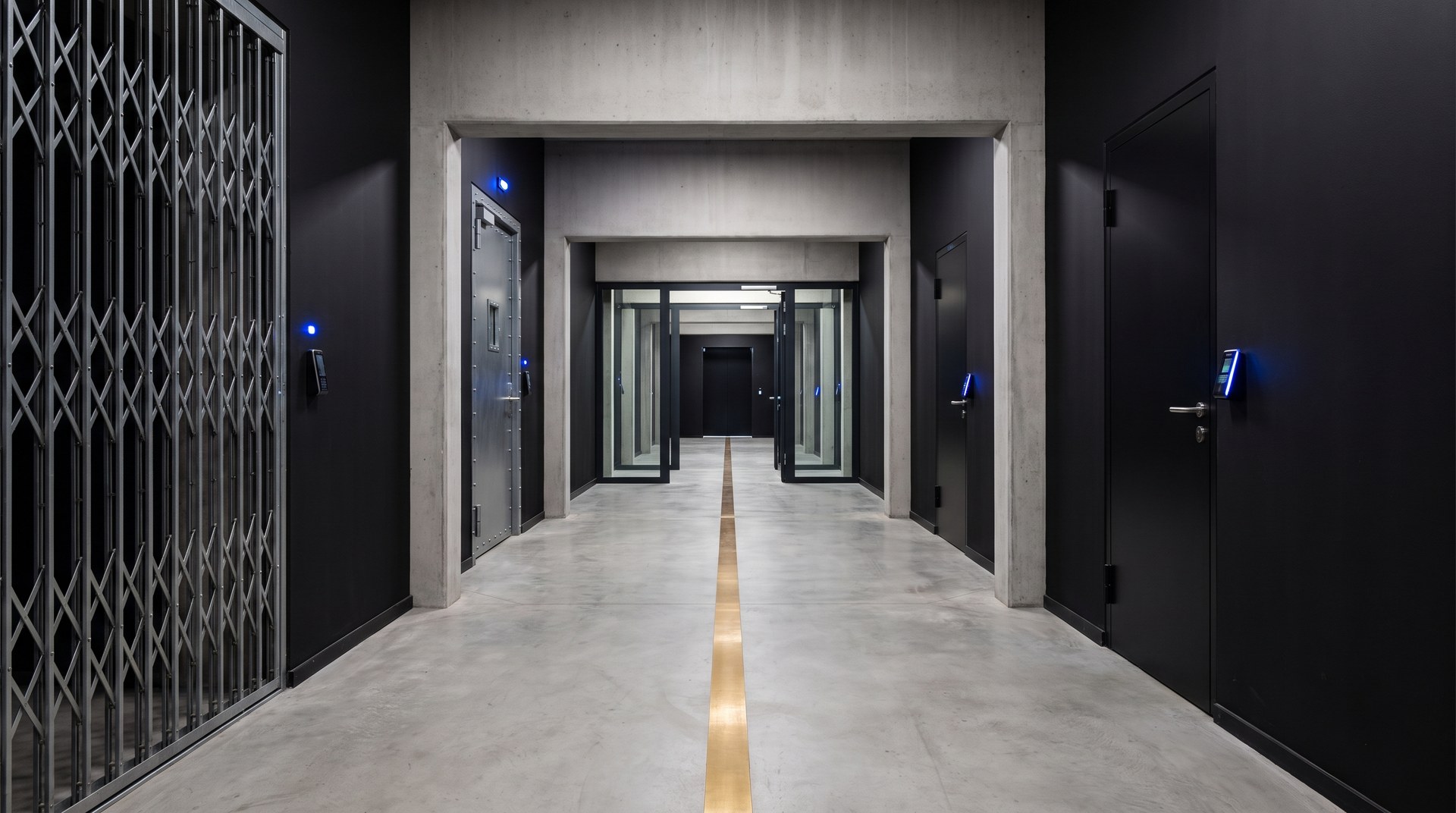
 - 06SecurityFour access zones, from the campus perimeter to the rack.
 CONCEPT
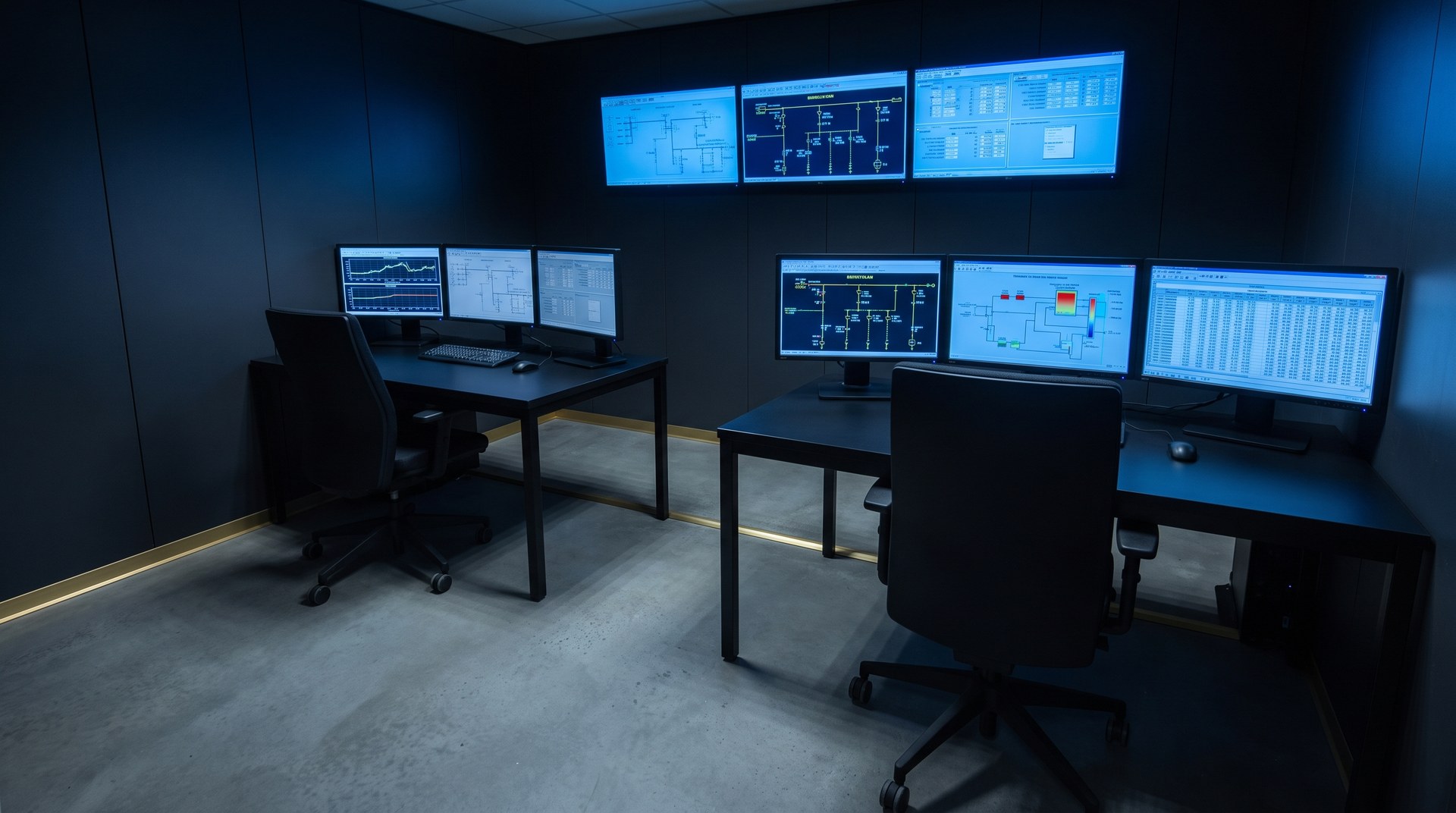
 - 07ControlMetering per layer, continuous, never as a total.
 CONCEPT
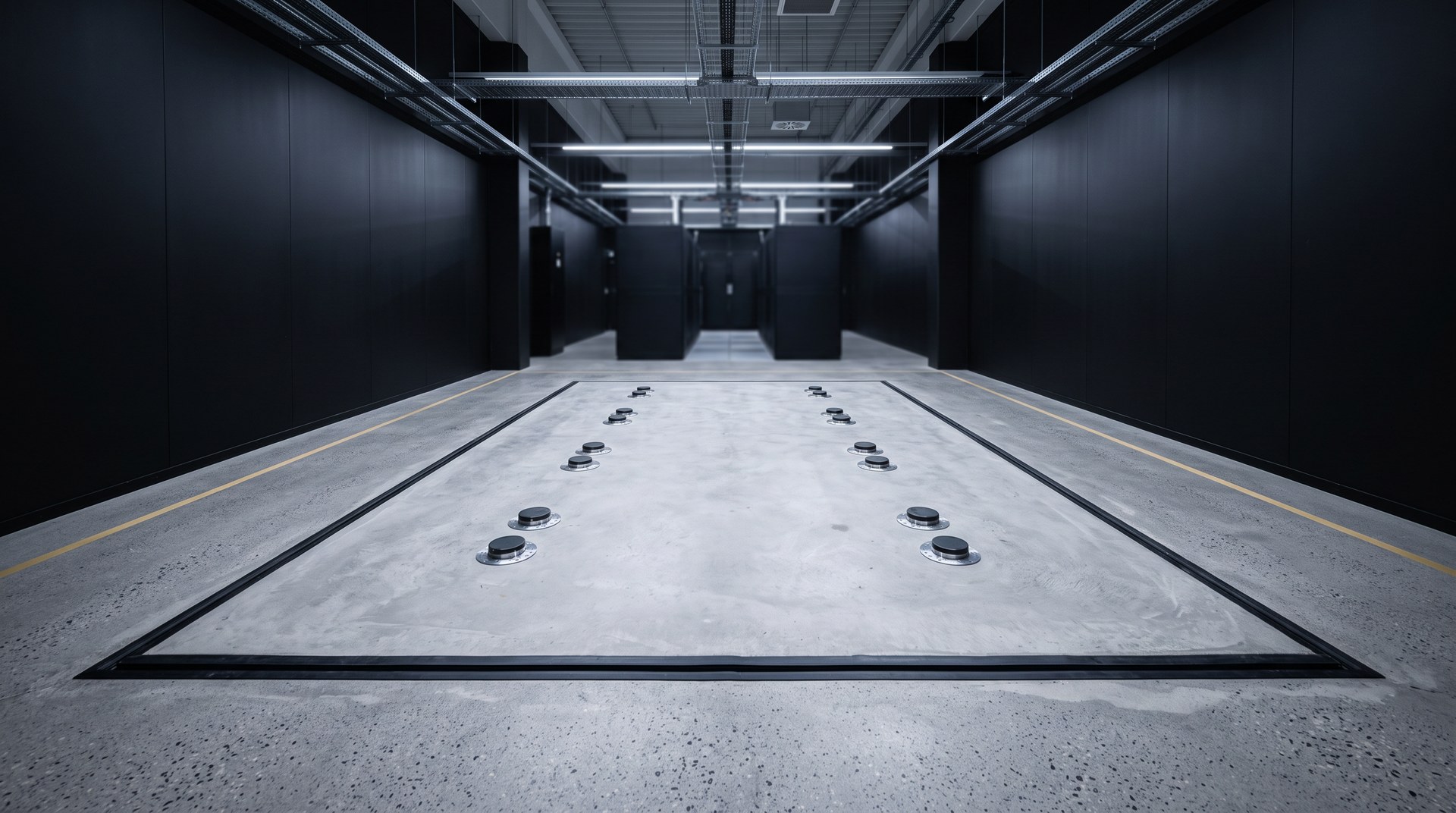
Core systems
Built around what cannot move.
None of these six was chosen for the site. The site was chosen for them.
What leaves the building
A data centre is a heat engine standing on a water loop. The questions are whether the heat leaves through a pipe or through the roof, and whether the water comes back.
The figures below are Blankenburg, Phase 1 design basis.
80–150 GWh/a
Heat to the network
against a town demand of 231 GWh/a (Kommunale Wärmeplanung, 2023). Handover at 70–90 °C, roughly 500 m of DN 200–300 to the city main.
500–1,500
Households
carried at full build-out, measured at the transfer point rather than at the machines
−3,000 … −8,000
Tonnes CO₂ per year
Phase 1, against the heating it displaces · Wärmeplanung v2
The conventional case
A data centre built without a heat offtaker rejects effectively all of it to the atmosphere. The engineering is not harder; the difference is that somebody has to be standing there to take the heat, and that has to be arranged years before the first rack.
And built on brownfield: existing industrial ground and existing structures, converted rather than demolished. The cheapest hectare, environmentally, is one that was already industrial.
21,900
MWh of heat a year, rejected at the 3 MW expansion case
Quedlinburg already runs 9 km of district heating, roughly 43 GWh a year, and the plant is on the same street. The heat has somewhere to go.
What the town getsThe law sets the number. We design to it.
Germany legislates data centre efficiency. Most operators state their own targets; this one is set by statute, and it is the same number for everybody.
Energieeffizienzgesetz (EnEfG) § 11 · as of 08/2026
01 · Energy Efficiency Act
PUE ≤ 1.20 for data centres commissioned from 07/2026
1.20
in progressBlankenburg design basis. Registry value, with its own source.
02 · Energy Efficiency Act
A rising share of waste heat reused, reaching 20 %
Heat recovery designed in
in progressHeat export potential up to 35 MWth at the transfer point, in joint technical design with the utility.
03 · Energy Efficiency Act
100 % renewable electricity, on a balance-sheet basis, from 2027
Grid supply plus on-site generation
plannedThe procurement route is an open decision.
Which threshold applies follows the commissioning date, and the applicable step is confirmed with the authority rather than assumed here. Nothing on this screen is a compliance statement.
Architectural DNA
One physical language across every site. Five things are the same in a converted tower in Quedlinburg and in a new hall at Blankenburg, and they are the same on purpose.
- Skin
- Matte black envelope, photovoltaic where it faces the sun.
- Structure
- One bay, repeated. A hall is a whole number of them.
- Containment
- Closed aisle. The containment seals the machine from the room.
- Spine
- Power, cooling and control arrive on one side, so the next bay is added without touching the running ones.
- Rings
- Access in concentric zones, from the campus perimeter to the rack.
Regional integration
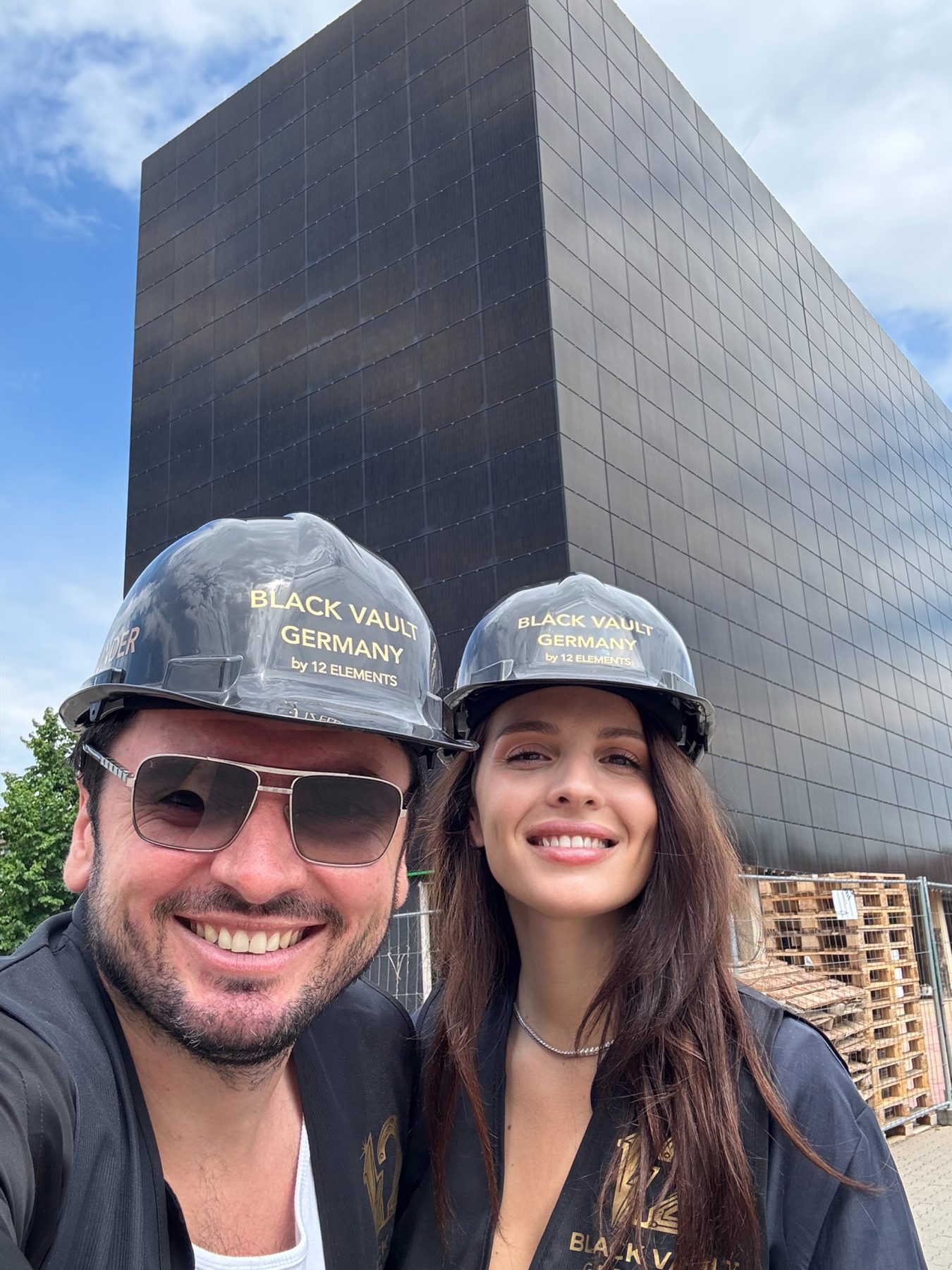
Developed by 12 Elements
A development platform for the physical infrastructure of AI. London · Company No. 15412509.
The pipeline
Two sites in the Harz. Further European sites in evaluation. What follows is dated and marked as a target, because that is what it is.
Stand: 08/2026
Capacity
Capacity is allocated through an engineering process.
Submit capacity requirementQuedlinburg
1–3 MW class
Register interest
Campus
Phase 1 design basis · 50 MW
Pre-lease dialogue
Notes
- 120 MW IT — LONG-TERM TARGET (TARGET) · effective 08/2026 · source: Phased development plan · verified 01.09.2026
- 250 MW IT — DESIGN BASIS (DESIGN BASIS) · effective 06/2026 · source: Project data sheet · verified 06.08.2026
- 3up to 35 MWth — DESIGN BASIS (DESIGN BASIS) · effective 06/2026 · source: Heat concept · verified 06.08.2026